Infographics
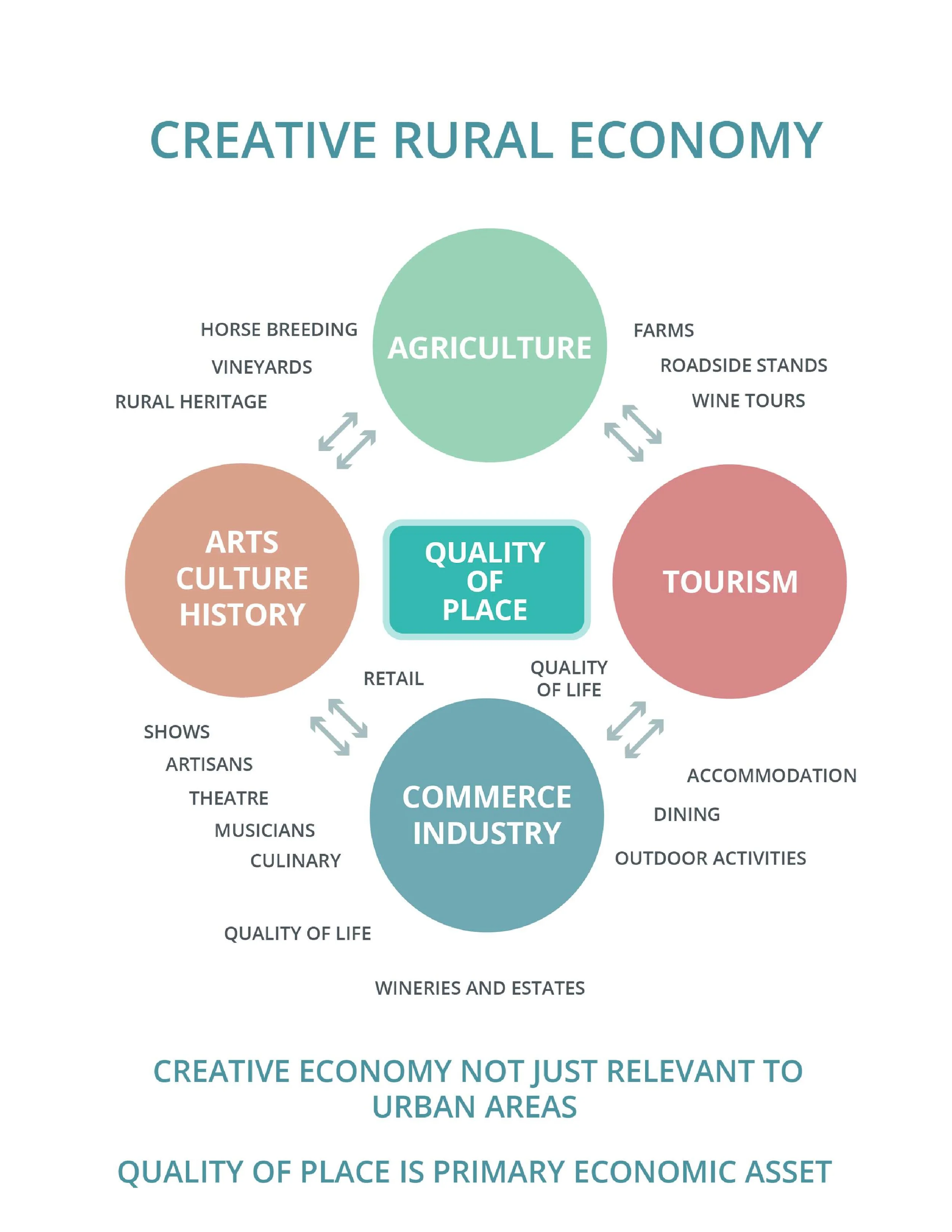
Cultural Resources
People say we lack information on culture in communities.
In fact, we have huge amounts of information, but it exists in different databases, held by different agencies in different places. This Cultural Resource Framework (CRF) provides a consistent taxonomy to consolidate these sources. Once the resources are identified they can be spatially mapped using geospatial (Googlemaps, GIS) mapping tools.
Cultural Development
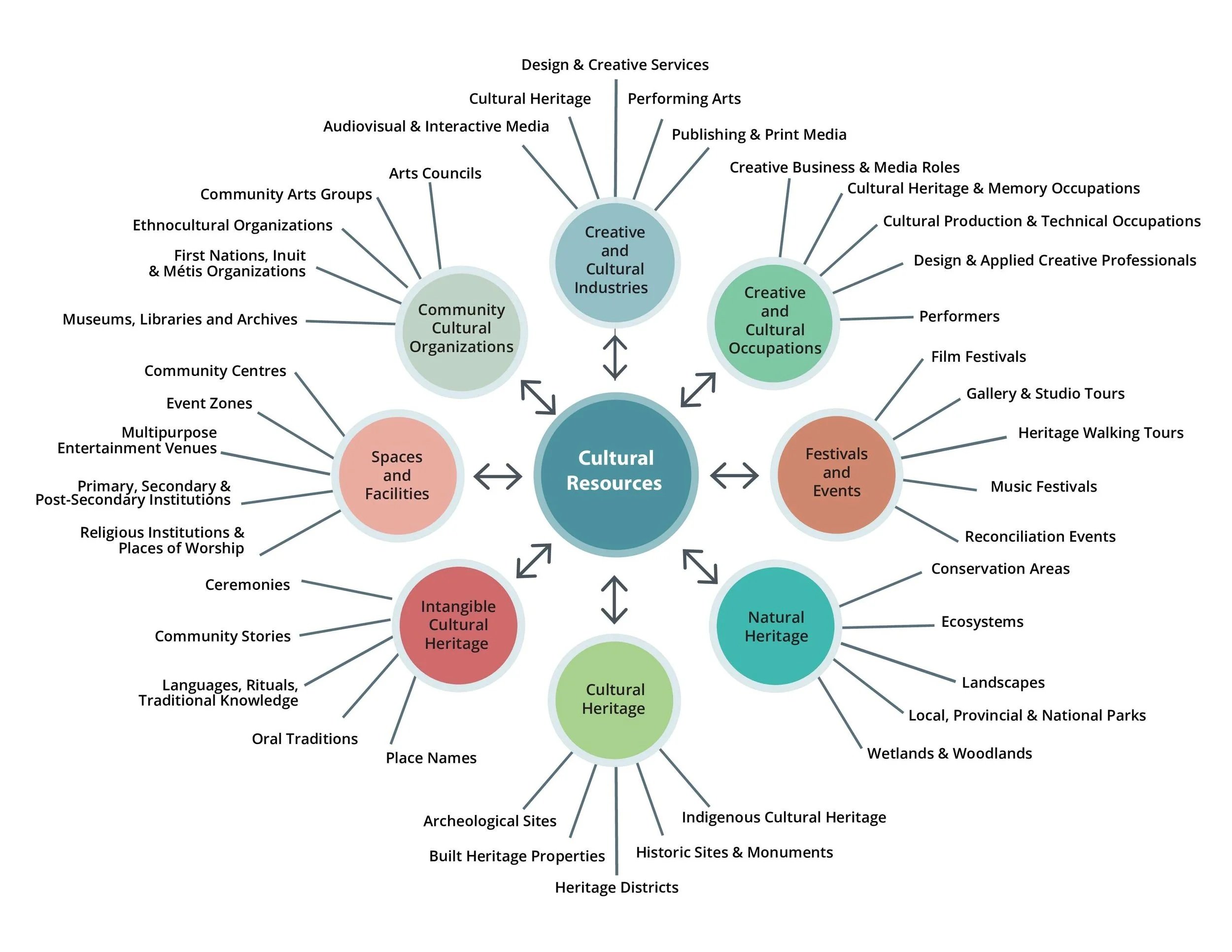
Place-based cultural development can be understood as four interdependent domains of ideas and practices.
This graphic also demonstrates the ‘public good’ benefits of cultural development demonstrating the return on investment in intelligent cultural (which is much larger than arts) strategies.
Ministry of Culture
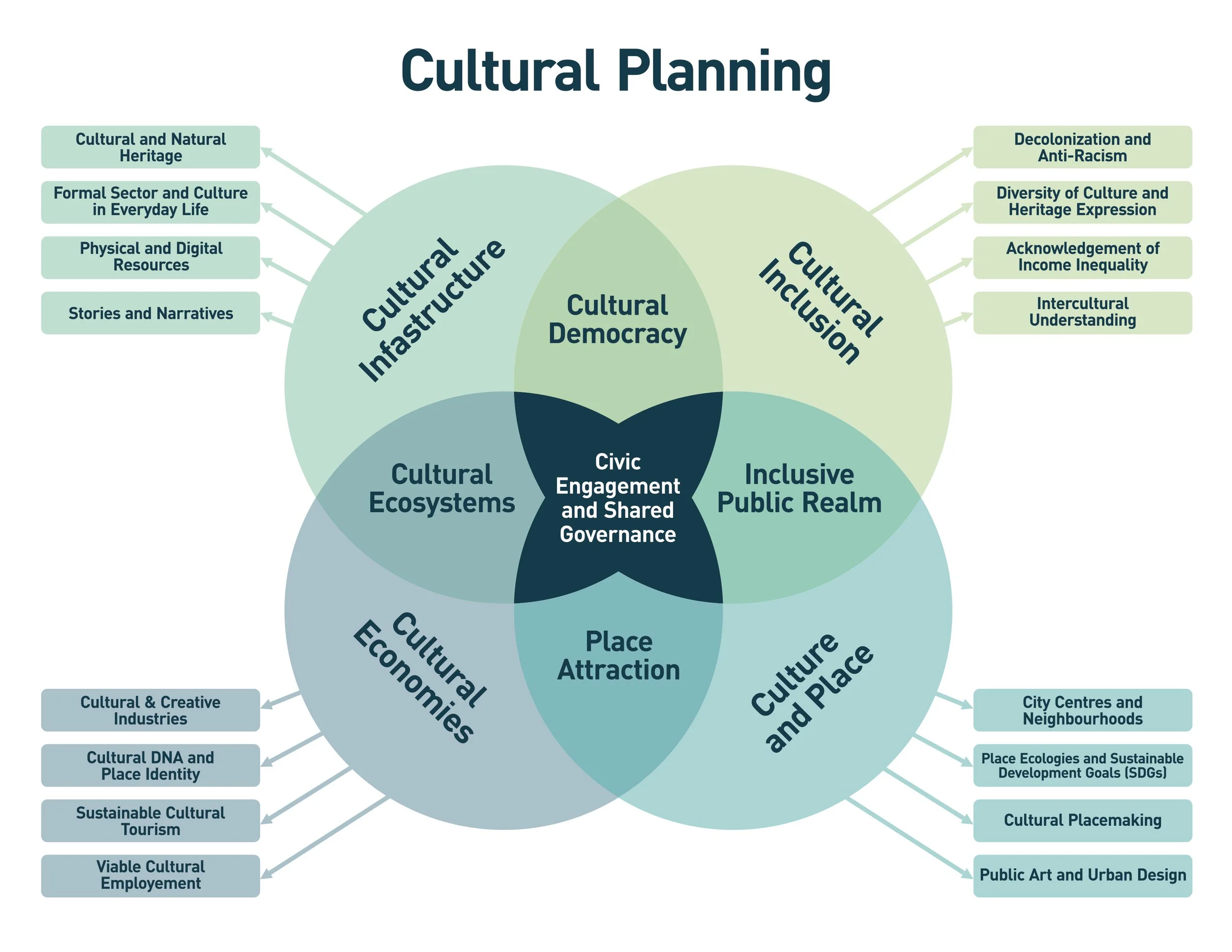
I worked for the Interior Ministry of Culture in the late 1980s and early 1990s. At that time there were four co-equal parts of cultural policy and programs.
Not-for-profit Arts and Heritage were of equal importance because ‘we need roots as well as wings’.
Libraries are fundamental community infrastructure funded through the tax base in most cities and therefore a separate category of culture.
Finally, Cultural Industries and Agencies were commercial activities and the ‘electric’ (now digital) cultural/creative industries and large-scale cultural institutions funded directly by the Provincial Government.
Culture and Tourism Abu Dhabi
When I worked at Department of Culture and Tourism in Abu Dhabi, the culture sector was organized along the same four broad categories but elaborated especially in the dramatically greater attention given to heritage.
In the Global South they start with Heritage as a fundamental determinant of identity in a global world - and then move to the Arts. In the Global North (or the ‘West’), we start with the Arts and profoundly marginalize Heritage.
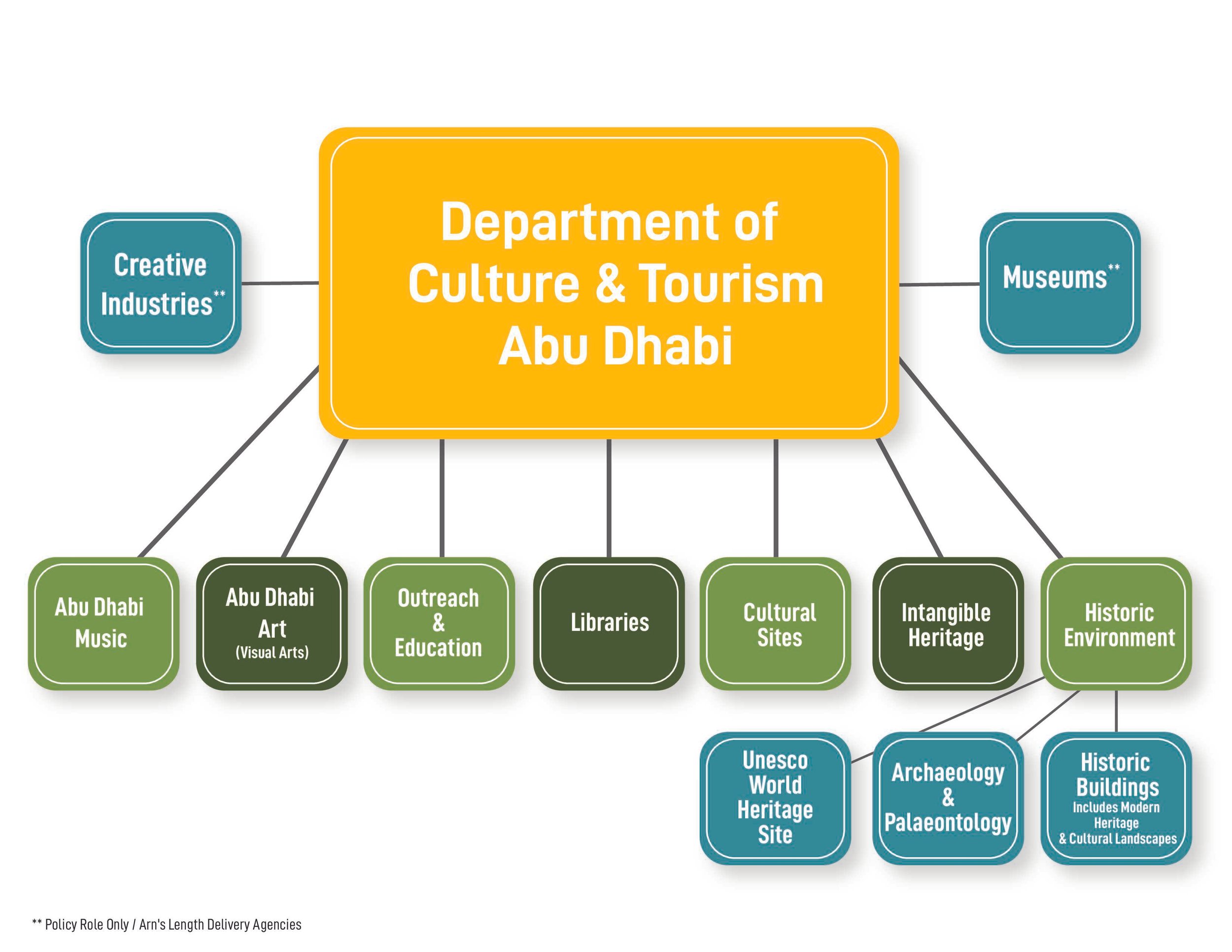
Culture and Tourism Abu Dhabi
When I worked at Department of Culture and Tourism in Abu Dhabi, the culture sector was organized along the same four broad categories but elaborated especially in the dramatically greater attention given to heritage.
In the Global South they start with Heritage as a fundamental determinant of identity in a global world - and then move to the Arts. In the Global North (or the ‘West’), we start with the Arts and profoundly marginalize Heritage.
Lévi Strauss
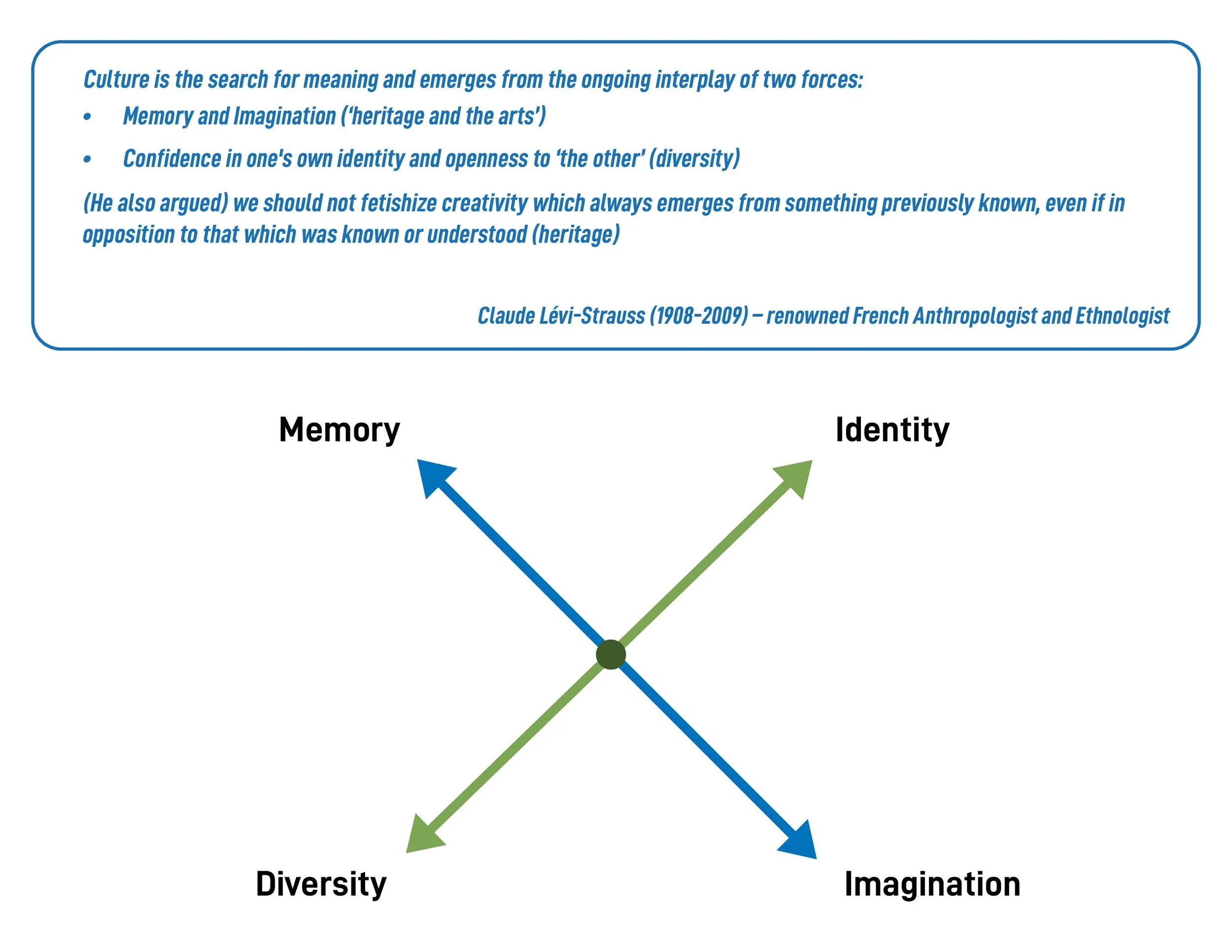
Sometimes you read something that stays with you forever. Early in my career I found an article by Claude Levi Strauss who—in addition to his academic work—wrote many of UNESCO’s Heritage Conventions and Declarations after the Second World War.
He defined these fundamental cultural processes and famously said ‘stories are the DNA of culture.’
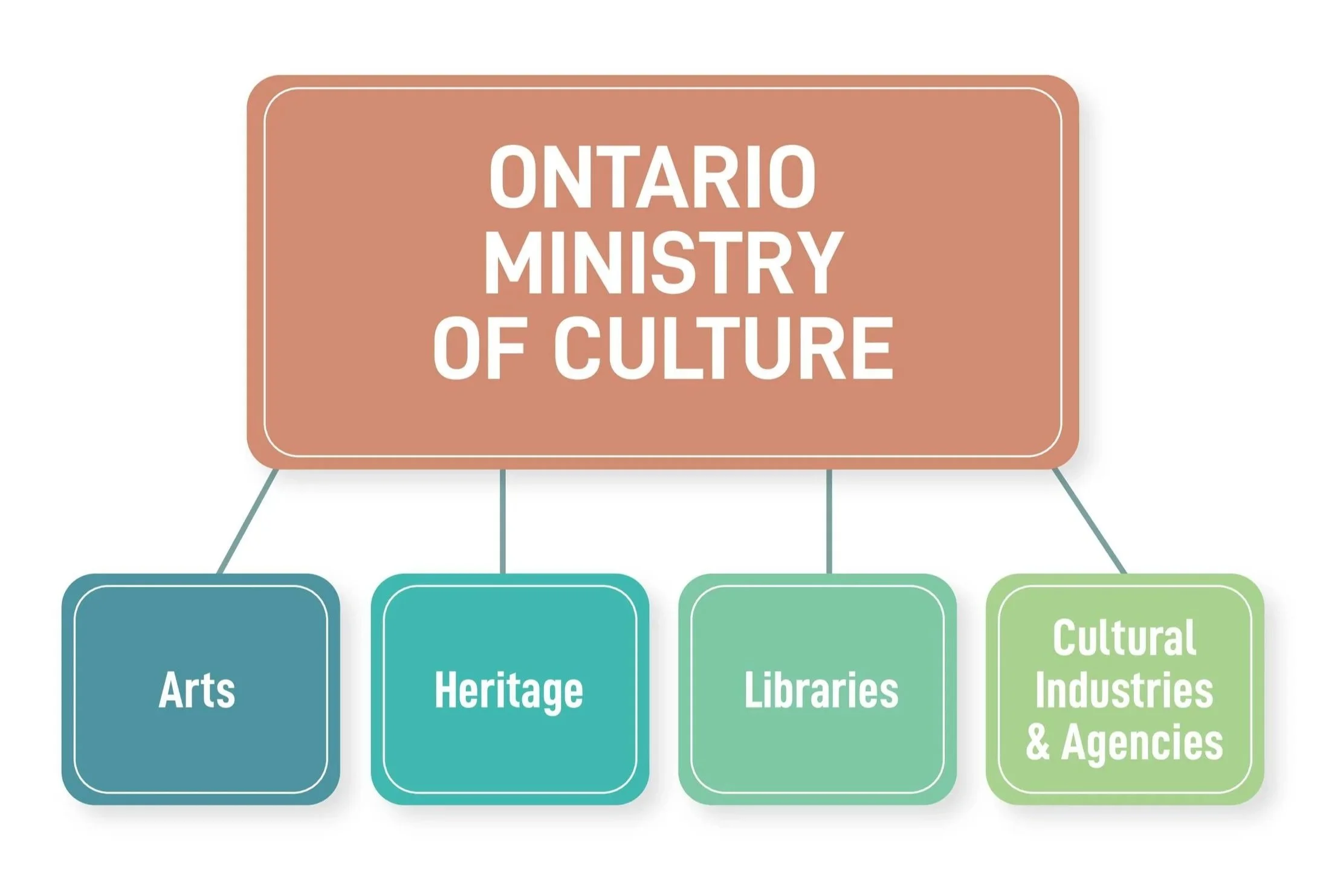
Creative cultural economies do not only exist in major urban centres. They can be equally powerful and transformative strategies in small towns and rural areas.
Prince Edward County in Ontario was one of the first smaller communities to implement these ideas with great success.